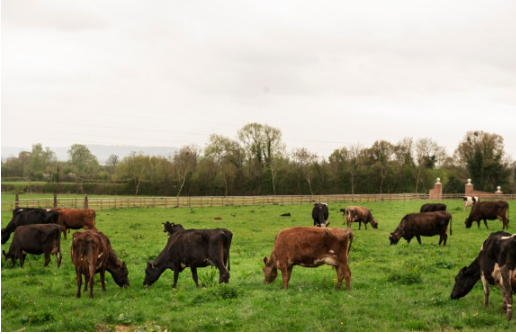
Animal welfare is growing as a topic of conversation in many communities. The treatment, care, and protection of animals, particularly abandoned, injured, and no longer useful in agriculture, are being closely monitored.
Gaushalas are one of the many organizations doing so, and they continue to have an impact as they provide shelter, care, and compassion for cows who have suffered. These institutions are more than just shelters. These can be a reflection of a wider ethos of caring, commitment, and involvement in the community.
Understanding the Purpose of Animal Shelters
The purpose of animal shelters is to keep animals safe and cared for. In both rural and urban settings, many cows suffer from neglect because of their old age, sickness, injury, or the hardships of the owner. Animals may be overcrowded or abandoned if they do not have the proper support.
By providing places for cows to get food, medical care, and long-term care, cow protection shelters help address this issue. They also help to keep the number of stray animals off the roads and public areas, making roads and public areas safer for people and animals.
Why Gaushalas Are Getting Popular
Traditionally, a gaushala is a protective shelter set up for the care and welfare of cows. The gaushalas have become an important factor for animal welfare and sustainable practices.
Gaushalas offer shelter to abandoned, ill, or old cows that might endanger their lives. The daily operations of these facilities are largely dependent on their ability to accept donations, volunteer services, and community involvement.
In addition to basic care, some gaushalas have more in-depth responsibilities, such as rehabilitation, to promote the health of the injured animal and help them to live in safer and cleaner surroundings.
Promoting Compassion and Community Responsibility
One of the most important contributions of gaushalas is that it makes them more compassionate towards the animals. Animal husbandry involves a sense of responsibility, compassion, and a reverence for living things, in the process.
Throughout the process, animal husbandry cultivates a sense of responsibility, empathy, and respect for living things. Many communities engage students, volunteers, and community members in shelter activities to increase awareness of the need for humane treatment.
Also, community-based shelters frequently provide a place for others to donate, volunteer, or hold awareness events.
Supporting Sustainable Practices
Sustainable practices are currently being implemented more and more in modern gaushalas. Some even use cow dung and organic waste to prepare natural fertilizer or biogas, which not only reduces the waste in the environment but also prepares useful products.
The practices promote sustainable agriculture and promote resource management that is good for both the rural population and agriculture. Incorporating sustainability into animal welfare practices allows gaushalas to play a larger role in environmental objectives.
Conclusion
The gaushalas remain a significant symbol of compassion and community engagement to enhance animal welfare. These organizations help to ensure that animals are not neglected or abandoned by offering shelter, medical attention, and continued care for vulnerable cattle.
With increased awareness of good animal care, helping to promote animal-friendly practices and ethical shelters can have a tangible impact on animals and animal-welfare communities.