Introduction
Vedanta shares are one of the most talked about and closely watched stocks in the Indian stock market. Vedanta Limited works in businesses that are closely related to the real economy, such as metals, mining, oil, gas, and power. This is different from firms that focus on technology or consumers. Because of this, the price of Vedanta shares is more closely related to the state of the economy than to prospects of future growth.
There are three primary reasons why investors keep an eye on Vedanta shares: they are highly exposed to global commodity prices, they pay out big dividends, and restructuring could unlock long-term potential. But the stock is also very volatile, which means it isn’t a good choice for investors who want steady, predictable returns.
This article talks about Vedanta shares using real market behaviour, genuine investor thought, and practical stock market logic. This makes it suitable for long-term investors, swing traders, and shareholders who are focused on income.
Vedanta Limited: A Business Model for the Real World
Vedanta Limited is a natural resources firm that works with zinc, aluminium, iron ore, oil and gas, steel, and power generation. These businesses are not optional or luxury; they are necessary for building roads, buildings, transit, energy production, and manufacturing.
When a country creates roads, bridges, power plants, or factories, it needs metals and energy in the actual world. Vedanta is the company that provides these things. Because of this, Vedanta shares tend to do well when industrial activity and investment on infrastructure go up, both in India and around the world.
But this also means that Vedanta’s stock price goes down when the economy slows down. When demand for goods around the world drops or industrial production slows down, the prices of such goods drop, which has a direct effect on Vedanta’s sales and profits.
Vedanta Share Price: How the Market Works in Real Life
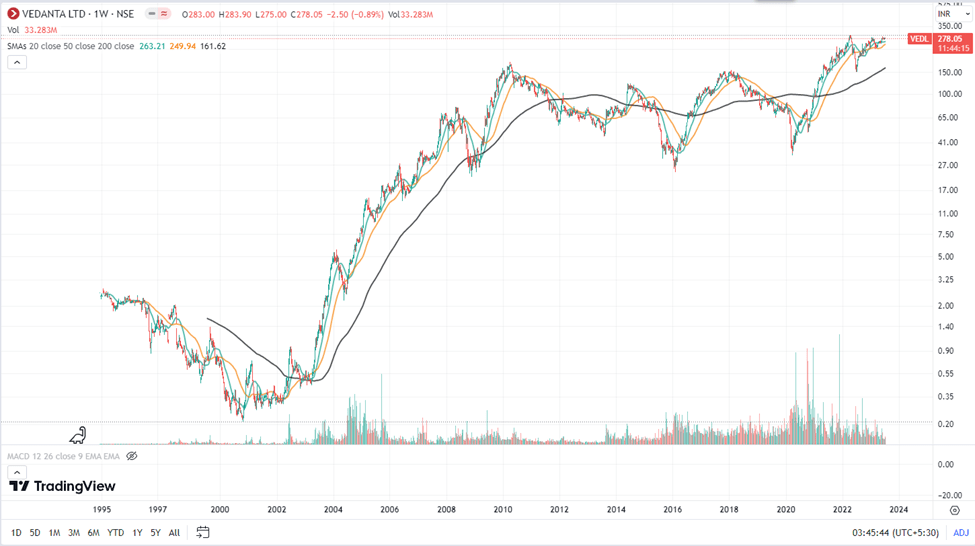
Commodity cycles, not enthusiasm about the company, have a big effect on the price of Vedanta shares. In the real world of the stock market, the price of a share goes up when the price of metals goes up and goes down when the price of metals goes down.
When commodity prices are high, investors frequently see higher quarterly profits, strong cash flows, and bigger dividend payments. These things draw institutional investors, which makes prices go up and volumes go up.
When metal prices go down, it makes it harder to see how much money a company is making. This makes Vedanta shares less valuable, puts pressure on them to sell, and makes them more volatile.
| Factor | Real Market Effect |
| Zinc prices | Major driver of EBITDA |
| Aluminium prices | Impacts operating margins |
| Crude oil movement | Influences oil & gas profits |
| Currency fluctuation | Affects export earnings |
| Government policies | Mining costs and approvals |
| Dividend announcements | Short-term price movement |
Vedanta shares sometimes move a lot after quarterly reporting since the company’s financial performance clearly shows fluctuations in commodity prices.
Zinc Segment: The Anchor of Stability
Vedanta’s zinc segment is the most reliable and profitable. In the real world, zinc is mostly utilized for galvanizing, building infrastructure, and making things in factories. These applications are still quite important, even when the economy slows down a little.
Zinc demand goes up when infrastructure spending goes up or manufacturing activity gets better. This helps Vedanta keep its margins steady and ensures the stability of its overall profitability. Investors generally see the zinc business as the main part of Vedanta’s stock that keeps it stable during times of high volatility.
Aluminium Business: Saving Money is Important
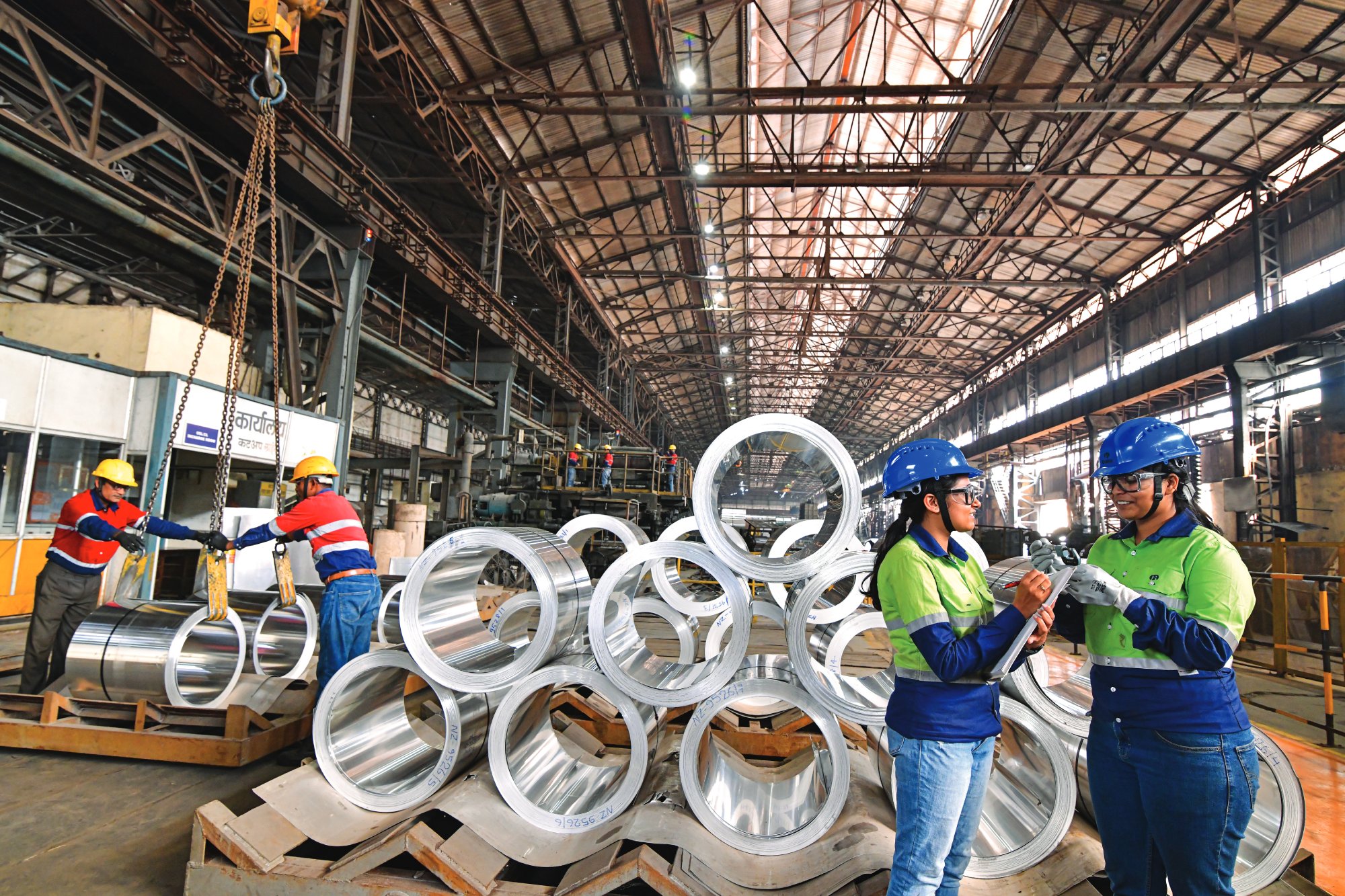
Aluminium is one of the most unstable commodities in the world. Prices go increase and down because of changes in demand, energy costs, and the state of the world’s supply. Vedanta’s edge over its competitors comes from its ability to run all of its activities and make its own power.
In the real world, as energy prices go up, aluminium companies with high power costs feel the strain on their margins. Vedanta is frequently stronger at protecting margins because it can better control costs. This operational efficiency is a big part of how Vedanta’s stock does compared to other metal stocks.
Oil and Gas Segment: Very volatile and very important
Vedanta’s oil and gas industry is both a chance and a risk. Geopolitical events, global demand, and the production practices of oil-producing countries all have an effect on the price of crude oil.
When the price of crude oil goes up, Vedanta makes a lot more money from oil and gas. Profitability goes down when prices go down. This volatility shows up directly in the price of Vedanta shares, which makes them more dynamic than companies that only deal in metals.
Why Vedanta Share Is Popular: The Truth About Dividends
One of the best reasons to buy Vedanta shares in the real world is its history of paying dividends. People know that Vedanta pays out dividends often and at high rates, often more than once a year.
For people who want to make money, Vedanta shares are an asset that makes money. Many stockholders own the stock mainly for the dividends it pays, not for the value it adds.
| Aspect | Observation |
| Dividend yield | Consistently high |
| Frequency | More than once a year |
| Market reaction | Pre-dividend buying |
| Post-dividend trend | Price adjustment common |
Some investors are also worried that hefty yields would make it harder to reinvest over the long term. This argument is really affecting how people feel about Vedanta shares.
Real investors care about financial strength and debt.
A lot of the time, Vedanta share analysis focuses on debt. When you invest in the real world, you don’t just look at debt on its own; you also look at cash flows and commodity cycles.
Vedanta makes a lot of money when commodity prices are high, which lets them pay down debt and dividends. When things are going badly, debt becomes a problem, and investors become more wary.
| Metric | Real Interpretation |
| Revenue | Cyclical |
| Margins | Commodity-dependent |
| Net debt | Manageable in upcycles |
| Cash flow | Most important indicator |
When looking into Vedanta shares, experienced investors pay special attention to operating cash flows.
How Vedanta Share Works Technically
Vedanta shares are very easy to buy and sell. In real trading, the stock often respects important technical levels like long-term support and resistance zones.
High trade volumes usually mean that institutions are involved. Sharp corrections generally happen at the same time as global commodities sell-offs, and consolidation phases often happen before big directional moves. This makes Vedanta shares good for swing and positional traders who know how the market works.
Effects of Corporate Restructuring and Demerger
Vedanta’s goal to split up its different operations into more concentrated ones is a true business strategy that will help it generate value. The idea is to make things more clear, more efficient, and easier to understand.
In the actual world, demergers generally attract long-term investors since it’s easier to judge and compare organizations that are concentrated. When news comes out about progress on restructuring, the market’s mood about Vedanta shares usually gets better.

Risks that come with Vedanta shares
There is always a risk with genuine investments, and Vedanta share is no exception.
| Risk | Real Impact |
| Commodity downturn | Earnings pressure |
| Regulatory changes | Operational delays |
| Global slowdown | Reduced demand |
| High dividend payouts | Lower reinvestment |
These risks are why Vedanta shares generally trade at lower prices than shares in solid sectors.
Long-Term Outlook Based on Actual Economic Trends
The long-term future of Vedanta shares hinges on how well infrastructure grows, how quickly energy changes, and how much industry grows. Renewable energy initiatives, electric cars, and city growth all need metals like zinc and aluminium.
As developing economies keep putting money into renewable energy and infrastructure, the demand for these commodities is likely to stay high. This makes a good long-term argument for Vedanta stock, as long as the company keeps its debt under control.
Vedanta Share compared.
| Parameter | Vedanta Share | Sector Average |
| Dividend yield | Higher | |
| Volatility | Higher | |
| Valuation | Discounted | |
| Global exposure | Strong |
Investors who understand cycles are better off with Vedanta shares than those who want stability.
In conclusion, here is a real-world view of Vedanta Share
Vedanta shares are a clear example of how equities that are based on commodities act in real markets. It pays out a lot of dividends, has significant cash flows when the economy is doing well, and is very volatile when the economy is doing poorly. Investors who know these things and know how to handle risk can make money by holding or trading Vedanta shares.
Successful investors don’t see Vedanta share as a growth company; instead, they see it as a cyclical opportunity that fits with economic trends. Vedanta shares are still one of the most important stocks in the Indian stock market, as long as you have a clear plan and reasonable expectations.
Read More:- Today’s BEL Share Price: Full Analysis, Prediction, and Long-Term Outlook
 "Today’s Vedanta Share Price: Real Market Data, Analysis, and a Look Ahead")