
Why Hiring a Licensed Electrician Is Essential for Safe and Reliable Electrical Work

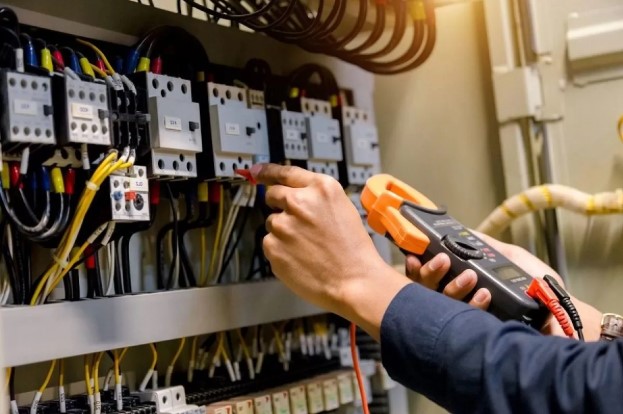
Electrical systems power every function of a modern home or business, and the quality of the work behind those systems directly affects safety, reliability, and long-term operating costs. Whether addressing a routine repair or a major installation project, working with a qualified electrician ensures that electrical work meets code requirements, passes inspection, and performs reliably without creating fire or shock hazards that unlicensed work frequently introduces.
The Risks of Unlicensed Electrical Work
Unlicensed electrical work is responsible for a disproportionate share of residential and commercial electrical fires, insurance claim denials, and safety incidents. Electrical systems that appear to function correctly but are improperly installed can develop dangerous conditions gradually, with loose connections heating up over time until they ignite nearby combustible materials. Improperly grounded circuits create shock hazards that are invisible to occupants until an incident occurs. Beyond immediate safety risks, unpermitted electrical work complicates property sales, voids insurance coverage for related losses, and may require expensive remediation before a property can be refinanced or sold.
What a Licensed Electrician Brings to Every Job
Licensed electrician has completed extensive apprenticeship training, passed state licensing examinations, and maintained continuing education to keep current with evolving code requirements. This background equips them to assess the existing electrical system, identify the most appropriate approach for the required work, execute it correctly the first time, and ensure it passes inspection. Licensed electricians carry liability insurance and workers’ compensation coverage that protects property owners from financial exposure if something goes wrong during the work. Their knowledge of local code requirements ensures that installations meet standards that protect occupants and the property itself.
Common Electrical Projects That Require Professional Expertise
Many electrical projects that homeowners and business owners might consider routine require licensed electrician involvement under applicable codes. Panel upgrades, subpanel installations, new circuit additions, whole-home rewiring, electric vehicle charger installations, generator connection, and outdoor electrical work all involve complexities that go beyond basic outlet replacement. Service upgrades to accommodate higher electrical loads, installations of hard-wired smoke and carbon monoxide detection systems, and work on high-voltage equipment are additional categories where professional expertise is not optional. Attempting these projects without appropriate qualifications creates risks that go far beyond the immediate scope of the work.
The Value of Proper Permits and Inspections
Electrical permits and inspections exist to provide an independent verification that work meets code requirements, not to create bureaucratic obstacles. Inspections by local electrical inspectors catch code violations and unsafe conditions that might otherwise remain hidden in walls and panels for years. Permitted work is documented in property records, providing evidence that improvements were properly executed when a property changes hands. Insurance companies increasingly require evidence of permitted electrical work when processing claims related to electrical systems, making the permit process a direct factor in whether covered losses are reimbursed.
Energy Efficiency and Modern Electrical Upgrades
Beyond safety and compliance, licensed electricians support energy efficiency improvements that reduce operating costs and environmental impact. Installing LED-compatible dimmer switches, smart home electrical components, energy monitoring systems, and properly sized circuits for efficient appliances all contribute to measurable reductions in electricity consumption. For businesses with significant electrical loads, power quality analysis and correction of power factor issues can reduce demand charges on commercial utility bills. A qualified electrician who understands energy efficiency opportunities adds value that extends well beyond the immediate work scope.
Conclusion
Electrical systems are too consequential to the safety and functionality of homes and businesses to entrust to unqualified hands. Licensed electricians bring the training, regulatory knowledge, and professional accountability needed to execute electrical work safely, correctly, and in full compliance with applicable codes. Property owners who consistently work with licensed professionals protect their investment, ensure their insurance coverage remains valid, and create electrical systems that serve them safely and reliably for decades.