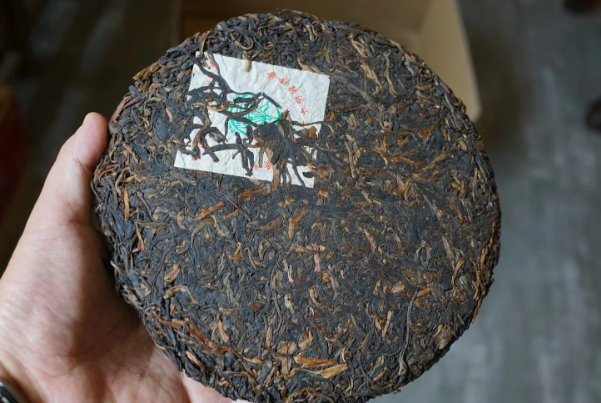
Have you ever pondered why certain aged Pu erh tea command prices in the thousands, such as those rare specimens from Yunnan’s ancient tea forests? At Tea & Leaf, we source authentic loose-leaf Pu-erh teas that are crafted using traditional methods. This guide addresses the primary factors that drive their value—namely age, origin, and storage conditions—along with practical authentication tips to identify counterfeits. It also explores the investment potential, including growth patterns and associated risks, as well as professional advice on proper storage. Discover the insights for informed collecting and optimal brewing—please proceed.
Key Takeaways:
- Age and maturation level greatly boost Pu-erh tea value, as longer fermentation process in ancient tea trees Yunnan forests enhances complexity and rarity.
- Production region, like premium Yiwu tea mountains, combined with traditional craftsmanship, determines superior quality and higher market demand.
- Optimal storage conditions—cool dry place, humid, clean storage environment—preserve flavor evolution, while scarcity value and demand drive significant appreciation over time.
Value Factors of Aged Pu-erh Tea
When evaluating the value assessment of aged pu-erh tea, several standout factors come into play that tea connoisseurs obsess over, from the aging process and tea tree age of ancient trees in Yunnan large-leaf varieties to the production region in tea mountains and the tea fermentation influencing flavor development.
These elements combine to create teas with unique flavor profiles, such as woody notes or sweet floral hints in shu pu-erh. Storage environment plays a critical role too, with proper conditions in a cool dry place and relative humidity control ensuring smooth maturation. Vintage recommendations often point to teas from renowned areas like Yibang or Gedeng for their lasting appeal.
Explore deeper into age and maturation level for how time refines taste, or check production region details on tea mountains. Techniques and storage history add layers of quality, while market dynamics highlight investment potential. This guide uncovers why aged pu-erh draws collectors worldwide.
Tea enthusiasts value pieces with verified histories, linking back to origins in Yunnan Province, Yunnan, China. Whether sheng or shou varieties, these factors build excitement for tea collecting as a rewarding pursuit.
Age and Maturation Level
The age and maturation level of sheng pu-erh or raw pu-erh is a huge deal, think how natural aging transforms that bold, astringent raw pu’erh into a mellow taste with complex flavor profiles boasting woody notes after decades.
Longer maturation enhances mouthfeel notes and develops aroma profiles like leather honey or dried fruit in aged pu’erh. Tea from the Qing Dynasty era shows exceptional smoothness after such extended tea aging. Connoisseurs assess this through multiple steeps, noting how flavors evolve from sharp to rounded.
For tea enthusiasts, try infusing leaves five to ten times and observe the tea liquor color shifting to amber hues. Younger raw pu’erh might carry medicinal notes, while vintage examples offer date-like sweetness. This progression signals true maturation worth seeking.
Focus on pieces with clear vintage recommendations to gauge value. Proper evaluation via steeps reveals if the aging process has unlocked hidden depths, making aged tea a standout choice.
Production Region and Tea Mountains
Production region truly sets aged pu-erh apart, especially when sourced from Yunnan Province’s Xishuangbanna and the six ancient tea mountains like Yiwu, where the terroir effect from ancient tea trees of Camellia sinensis Yunnan large-leaf varieties shines through.
Specific tea mountains like Youle or Mangzhi impart distinct earthy flavors and tea characteristics, from gingerwood pu-erh to cocoa pie pu-erh notes. Ancient trees yield mao cha with robust qualities that age gracefully. Premium sources from these areas command attention from tea connoisseurs.
Consider how Yibang teas develop sweet floral profiles over time, differing from Gedeng’s bold profiles. The production region influences everything from initial taste to long-term evolution. Seek origins tied to these famed mountains for authenticity.
Tea enthusiasts benefit by noting mountain-specific traits during tastings. This regional diversity elevates aged pu-erh’s appeal in collections.
Production Techniques and Quality
Top-notch production techniques, overseen by a skilled tea master, are key, from processing mao cha through the fermentation process for cooked pu-erh to following classical recipes with broad leaf variety for superior quality.
In shou pu-erh, microbial activity drives the tea fermentation, creating ripe pu-erh with smooth, earthy flavors unlike gunpowder green tea. Raw pu-erh pressing into tea cakes follows precise steps for even aging. Recipes like Dayi 7542 exemplify Pu’erh Cake Tea Process standards.
Quality shines in balanced flavor development, with craftsmanship ensuring no defects. Tea masters select leaves carefully, pile-fermenting for shu pu-erh’s mellow taste. This hands-on approach builds lasting value.
Look for smooth mouthfeel notes and consistent tea characteristics as signs of expert work. Such techniques make aged pu’erh from raw pu’erh highly prized.
Storage Conditions and History
Storage conditions and history can make or break aged pu-erh tea, with proper storage in a cool dry place using breathable paper and controlled relative humidity preventing issues like tea mold while promoting white frost.
Ideal storage environment in places like Hong Kong fosters flavor evolution without excess moisture. Purple clay tea storage jars allow air circulation for optimal tea aging. History of clean, stable conditions verifies premium quality.
Tea enthusiasts should check for white frost on leaves, a sign of healthy maturation, avoiding any tea mold traces. Maintain 60-75% relative humidity and temperatures below 25°C for best results. Documented storage paths add to collection value.
Examine wrappers and jars for clues on storage history. Proper practices ensure aroma profiles and taste improve over years.
Scarcity and Market Demand
Scarcity value skyrockets for rare aged pu-erh due to high market demand from tea connoisseurs, making collection value and value assessment critical for savvy buyers.
Limited harvests from ancient tea trees and Ming Dynasty-era stocks drive this demand. Factors like low yields from tea mountains amplify rarity. Investment strategies focus on authentication methods to avoid counterfeit methods.
Tea connoisseurs prize pieces with verified scarcity, weighing investment risks carefully. Market dynamics favor well-stored, vintage recommendations from regions like Yiwu. This creates strong collection value potential.
Assess value through taste tests and origin checks. High demand underscores aged pu-erh’s role in tea collecting.
How to Authenticate Genuine Aged Pu-erh Tea
Authenticating genuine aged pu-erh tea doesn’t have to be mysterious. Using solid authentication methods, you can spot the real deal by checking appearance characteristics like white frost, sniffing aroma profiles, tasting flavor profiles with earthy flavors and sweet floral notes, observing tea liquor color, and dodging common counterfeit methods.
Tea connoisseurs often start with these steps to assess value assessment for classics like Dayi 8582 or Fu Jin Premium Green Cake. Proper storage conditions in a cool dry place with breathable paper play a key role in tea aging. For practical advice, see the sections below on visual cues, scents, tastes, and red flags.
From Yunnan province ancient tea trees, genuine pieces show natural aging through microbial activity and terroir effect. Beginners can build confidence by comparing against known examples during multiple steeps. This process reveals the collection value of sheng pu-erh or shou pu-erh.
Experts recommend handling tea cakes carefully to avoid damage, focusing on production region like Yiwu tea mountains. Pair this with knowledge of tea fermentation processes for raw pu-erh versus ripened pu’erh. Over time, these checks enhance your skills as a tea enthusiast.
Identifying Appearance Characteristics
Start authentication by eyeing appearance characteristics: genuine tea cakes often show beautiful white frost, not suspicious tea mold, hinting at proper aging with subtle date-like notes.
Look for a matte, even surface on aged pu-erh from ancient tea mountains, shaped by storage conditions and relative humidity. Cakes from Yiwu regions display tight compression with minimal cracks, unlike loose mao cha fakes. Tea connoisseurs prize this as a sign of ancient trees and broad leaf variety.
Check wrapper authenticity too, matching classical recipes from Qing Dynasty eras. Genuine pieces feel heavy with tea tree age influencing density. Avoid overly glossy or powdery surfaces that scream artificial aging.
For raw pu-erh, expect subtle frost from proper storage in a breathable paper environment. Compare to known vintages like those from Yunnan large-leaf varieties. This visual step sets the foundation for deeper checks.
Aroma and Flavor Profiles
Sniff and sip to check aroma profiles and flavor profiles. True aged pu-erh delivers earthy flavors, woody notes, sweet floral hints, leather honey, dried fruit, and even medicinal notes.
Steep multiple steeps to uncover a mellow taste that evolves, unlike flat counterfeits. Gingerwood Pu-erh offers spicy undertones, while Cocoa Pie Pu-erh brings chocolate-like depth from fermentation process. Tea masters note how flavor development builds with time.
Inhale dry leaves for Camellia sinensis purity, free of chemical smells. Wet leaf aroma should bloom with woody notes and sweet floral layers after brewing. This reveals the aging process in cooked Shu Pu-erh.
Tea enthusiasts track changes across brews, spotting genuine terroir effect from Pu’erh Cake Tea Proces. Pair with classics for reference. These sensory cues confirm scarcity value and investment potential.
Tea Liquor Color and Texture
Brew up and inspect the tea liquor color and texture. Aged sheng pu-erh evolves beautifully over multiple steeps with rich, smooth mouthfeel notes.
Expect amber to reddish hues deepening with age, unlike the green tint of fresh raw Pu’er or Gunpowder Green Tea imposters. Texture shifts from astringent to silky as flavor development matures through microbial activity. This marks true tea aging.
Observe clarity without sediment clouds, a hallmark of ancient tea trees from tea mountains in Xishuangbanna. Ripe pu-erh shows darker, velvet liquid with lasting mouthfeel notes. Rinse first to clear dust.
Track color progression: first steep pale, later ones robust. This tests storage environment impact. Genuine pieces maintain consistency, aiding market demand assessment.
Common Counterfeit Methods to Watch For
Beware common counterfeit methods like faking white frost or inducing artificial tea mold to mimic Pu-erh tea. Smart authentication methods will save you.
Sellers might wet-store shu pu-erh to speed fake aging, creating off odors unlike natural storage conditions. Check for Zhongcha labels mismatched with poor tea characteristics. Always verify origin stories against known production regions.
Red flags include uniform perfection or prices too low for vintage recommendations. Test by over-steeping: fakes turn bitter fast, lacking mellow taste. Use value assessment to spot deals that seem too good.
- Overly bright colors signal dyes.
- Weak aroma profiles after rinsing point to blends.
- Heavy microbial smells mean forced fermentation.
Consult tea masters for tricky cases, focusing on investment risks. Stick to reputable sources for collection value. These tips protect your pursuit of genuine pu-erh tea.
Investment Value of Aged Pu-erh Tea
Diving into the investment value of aged pu-erh tea? It’s a smart alternative investment with strong value growth patterns, but smart investment strategies and awareness of investment risks are key for tea collecting success.
Aged pu-erh stands out from traditional assets like stocks or gold due to its unique market demand in regions such as Malaysia and Thailand. Collectors there prize tea cakes from Yunnan Province in Yunnan, China for their evolving flavors during the aging process. This cultural appreciation drives steady collection value over time.
Unlike volatile markets, pu-erh benefits from natural scarcity and the slow tea aging that enhances earthy flavors and mellow taste. Tea enthusiasts seek out ancient tea trees varieties, making well-stored pieces highly sought after. Next, explore the advantages, growth patterns, and risks in detail.
Proper value assessment involves checking production region and storage conditions. In thriving markets like Thailand, demand for Sheng Pu-erh and Shou Pu-erh underscores its edge over conventional investments. Patience rewards those who understand these dynamics.
Advantages of Pu-erh Tea as an Alternative Investment
Pu-erh tea shines as an alternative investment thanks to its scarcity value and rising collection value among tea connoisseurs worldwide.
The aging appreciation of aged pu-erh tea sets it apart, as flavors develop woody notes and leather honey profiles over years. Sourced from ancient trees in areas like Myanmar, these teas gain depth through natural tea fermentation. This process appeals to collectors beyond mere financial returns.
Tea from masters like Li Yuanyang offers Camellia sinensis var. assamica variety with terroir effect, making each cake unique. Unlike depreciating goods, pu-erh from tea mountains holds or increases value with proper storage. Experts recommend focusing on raw pu-erh for long-term gains.
Practical benefits include multiple steeps that reveal sweet floral and dried fruit notes. In competitive markets, this tangibility beats abstract assets. Start with reputable sources to maximize these advantages.
Value Growth Patterns and Principles
Value growth patterns in aged pu-erh follow principles tied to vintage recommendations and proven investment strategies from historic peaks like the Ming Dynasty.
Key factors include tea tree age and classical recipes from brands like Dayi such as Dayi 7542 and Dayi 8582, where older mao cha develops superior mouthfeel notes. Growth accelerates as microbial activity refines aroma profiles and tea liquor color. Collectors track these changes for optimal timing.
Patterns emerge from natural aging of raw Pu’erh versus ripened pu’erh, with ancient tea mountains like Youle, Gedeng, Yibang, Mangzhi, and Manson yielding premium results from the Top 10 Famous Pu-erh Stockades. For example, cakes from the Qing dynasty era show enduring appeal through flavor development. Research suggests steady appreciation with time.
Follow principles like selecting high-quality cooked pu-erh or gingerwood pu-erh for balanced growth. Monitor production techniques and white frost indicators. This approach mirrors successful historic investments in pu-erh.
Investment Risks and Precautions
While promising, investment risks in pu-erh include counterfeit methods, so take precautions with authentication methods and storage.
Improper storage leads to tea mold or faded flavors, undermining value. Maintain a cool dry place with relative humidity around 60-70 percent and breathable paper wrapping. Check for consistent earthy flavors as a authenticity sign.
Counterfeits mimic aged pu-erh tea but lack genuine fermentation process traits like date-like notes. Consult experts from houses like FONG’S TEA for verification. Always inspect production region stamps and tea characteristics.
Precautions include diversifying collections and avoiding rushed buys. Store in stable storage environments to prevent microbial issues. Informed strategies mitigate these risks effectively.
Collecting and Storing Aged Pu-erh Tea
For tea enthusiasts into tea collecting, mastering proper storage in the right storage environment with professional storage tool recommendations like purple clay tea storage jars and ceramic tea canisters ensures your Pu’erh tea thrives.
Collectors focus on pu-erh tea from Yunnan province, especially those from ancient trees. These teas develop earthy flavors and mellow taste through the aging process. Start with high-quality tea cakes or mao cha to build a valuable collection.
Proper storage conditions prevent tea mold and promote natural aging. Wrap teas in breathable paper and store in a cool dry place. This maintains flavor profiles like woody notes and leather honey.
Tea connoisseurs recommend an Aged Pu-erh Tea Tasting Set for evaluating sheng pu-erh or shou pu-erh. Track tea tree age and production region like Hong Kong for better value assessment. Regular checks ensure optimal tea aging.
Ideal Storage Environment Conditions
The ideal storage environment for aged pu-erh is a cool dry place with stable relative humidity, wrapped in breathable paper to allow natural aging.
Avoid direct sunlight and extreme temperatures to prevent tea mold. Aim for consistent storage conditions that support microbial activity in ripe pu-erh like the Fu Jin Premium Green Cake. This preserves aroma profiles and tea liquor color.
For raw pu-erh or cooked pu-erh, use spaces with good air circulation. Experts recommend monitoring for white frost as a sign of healthy tea fermentation. These steps enhance flavor development over years.
Store tea cakes from ancient tea mountains separately to capture unique terroir effect. This setup mimics traditional methods from the Qing dynasty. Resulting teas offer dried fruit and sweet floral notes.
Professional Storage Tool Recommendations
Go pro with storage using purple clay tea storage jars or ceramic tea canisters—they’re perfect for maintaining pu-erh’s quality in the right storage environment.
Tea & Leaf offers jars that regulate humidity for aged pu-erh tea. These tools protect against dust and odors during the aging process. Pair with breathable paper for best results.
Choose ceramic tea canisters for shu pu-erh or gingerwood pu-erh. They allow subtle air exchange, enhancing mouthfeel notes. Collectors favor them for long-term collection value.
Consider stacking jars in a cool dry place for space efficiency. Label by vintage recommendations and production techniques. This organization aids authentication methods and tasting sessions with multiple steeps.
Yunnan Province, in southwest China, is the heartland of Pu-erh tea production.
Frequently Asked Questions
What Determines the Value of Pu Erh Tea Aged for Many Years?
The value of Pu Erh tea aged for many years is determined by several key factors including its origin from ancient Yunnan tea trees of Camellia sinensis var. assamica, the quality of fermentation and aging process, storage conditions, rarity, and authentication. At Tea & Leaf, our premium Pu’er teas, including both Sheng Pu-erh and Shou Pu-erh (also known as Shu Pu-erh) from authentic ancient forests exemplify these elements, ensuring exceptional value through traditional craftsmanship.
How Does the Origin of Pu Erh Tea Affect the Value of Pu Erh Tea Aged for Many Years?
The origin plays a crucial role in determining the value of Pu Erh tea aged for many years, particularly teas from old-growth trees in Xishuangbanna’s ancient forests, including renowned regions like Yiwu, Yibang, and Youle. These trees produce leaves with unique mineral-rich profiles that enhance aging potential. Tea & Leaf sources exclusively from these premium regions, guaranteeing authenticity and superior long-term value.
What Role Does Storage Play in the Value of Pu Erh Tea Aged for Many Years?
Proper storage, a practice refined in places like Hong Kong and Malaysia, is essential for the value of Pu Erh tea aged for many years, as it influences flavor development, aroma complexity, and preservation. Ideal conditions involve controlled humidity (around 70-80%), stable temperatures, and ventilation to prevent mold, much like in neighboring Myanmar and Thailand. Tea & Leaf provides guidance on optimal storage for our rare loose-leaf Pu Erh to maximize their aged value.
Why Is Fermentation Quality Important for the Value of Pu Erh Tea Aged for Many Years?
High-quality fermentation, whether raw Sheng Pu-erh or ripe Shou Pu-erh from factories like Dayi, Xiaguan, and Zhongcha, significantly determines the value of Pu Erh tea aged for many years by shaping its smooth, complex taste evolution. Traditional methods used by Tea & Leaf’s artisans ensure microbial balance, such as the famous Dayi 7542 and Dayi 8582, resulting in teas that appreciate in value over decades with elegant earthiness and depth.
How Does Rarity Impact the Value of Pu Erh Tea Aged for Many Years?
Rarity greatly elevates the value of Pu Erh tea aged for many years, driven by limited production from specific ancient tree plantations in top stockades like Gedeng, Mangzhi, and Manson and vintage years. Collectible cakes or bricks from renowned factories become highly sought after. Discover these rare gems, alongside unique offerings like Gingerwood Pu-erh, Cocoa Pie Pu-erh, Fu Jin Premium Green Cake, and Aged Pu-erh Tea Tasting Set at FONG’S TEA or Tea & Leaf, sourced directly for collectors seeking investment-grade Pu Erh.
What Authentication Factors Determine the Value of Pu Erh Tea Aged for Many Years?
Authentication through wrappers, factory stamps, and expert verification is key to determining the value of Pu Erh tea aged for many years, preventing counterfeits. Genuine pieces from trusted producers hold premium market prices. Tea & Leaf, understanding Pu’erh Cake Tea Proces and Top 10 Famous Pu-erh Stockades, offers fully authenticated, premium Pu Erh with provenance, ideal for discerning enthusiasts worldwide.